
Why the aRTes Project Matters: The Role of Nature-Based Solutions in Future Cities

Cities across Europe are experiencing growing environmental challenges (i.e., rising temperatures, reduced green spaces, increasing energy demand, and declining biodiversity). Nature-Based Solutions (NBS) have emerged as a key response to these challenges, offering sustainable, adaptable, and cost-effective ways to improve urban resilience. By integrating nature into the built environment, NBS create healthier, cooler, and more liveable cities.
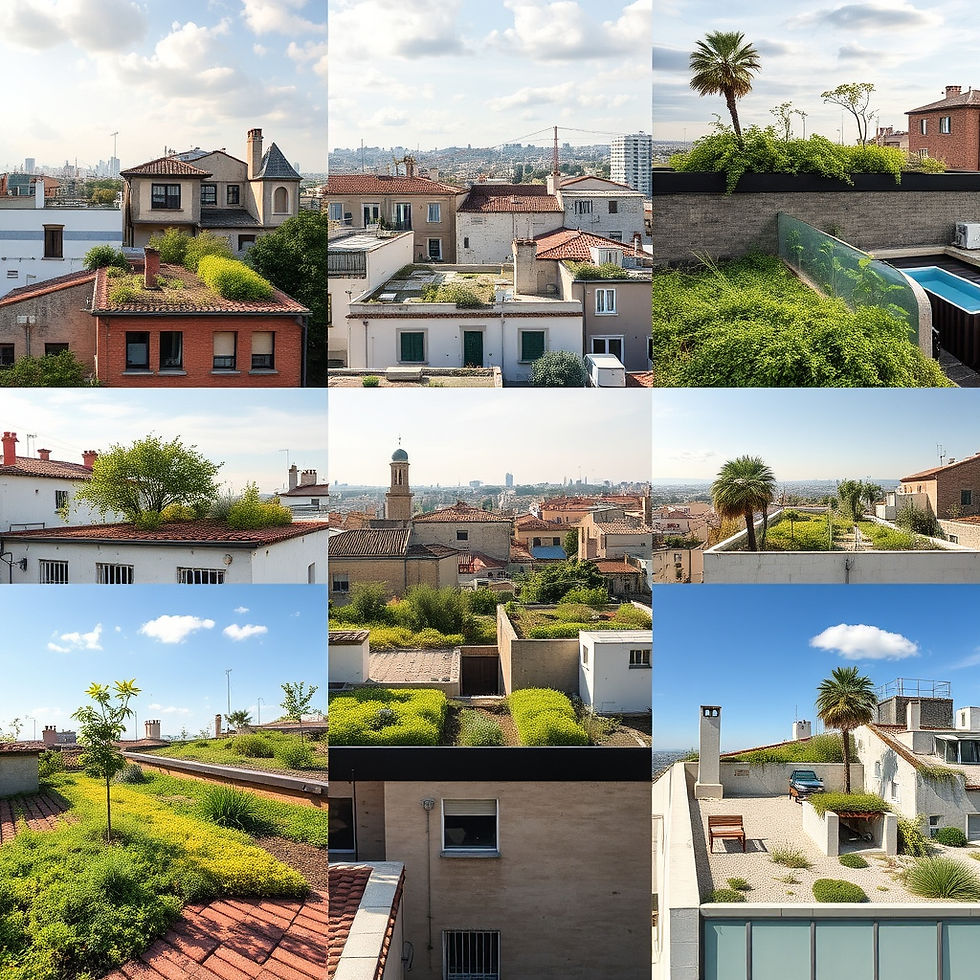
In the context of the aRTes project, NBS play a central role in transforming underutilised rooftops into multifunctional green spaces. These nature-driven interventions help reduce the urban heat island effect, support stormwater management, improve air quality, and enhance the aesthetic and social value of urban areas. Green roofs, rooftop gardens, and biodiversity-supporting installations contribute to restoring ecological balance in dense city environments.
Across the aRTes pilot sites, NBS are being embedded into each rooftop transformation in ways that reflect local environmental needs and community priorities. Some pilots emphasise cooling strategies through vegetation, while others focus on creating ecological habitats or designing hybrid spaces that integrate greenery with renewable energy solutions. By combining vegetation, water retention systems, and climate-responsive design, the project demonstrates how rooftops can function as productive and regenerative components of the urban ecosystem.
Ultimately, NBS enable cities to adapt to climate change while improving the quality of life for residents. Through aRTes, these solutions are not only being implemented but also tested, evaluated, and refined, providing a replicable blueprint for future sustainable rooftop transformations across Europe.


Comments