
aRTes Case Studies Series – Italy
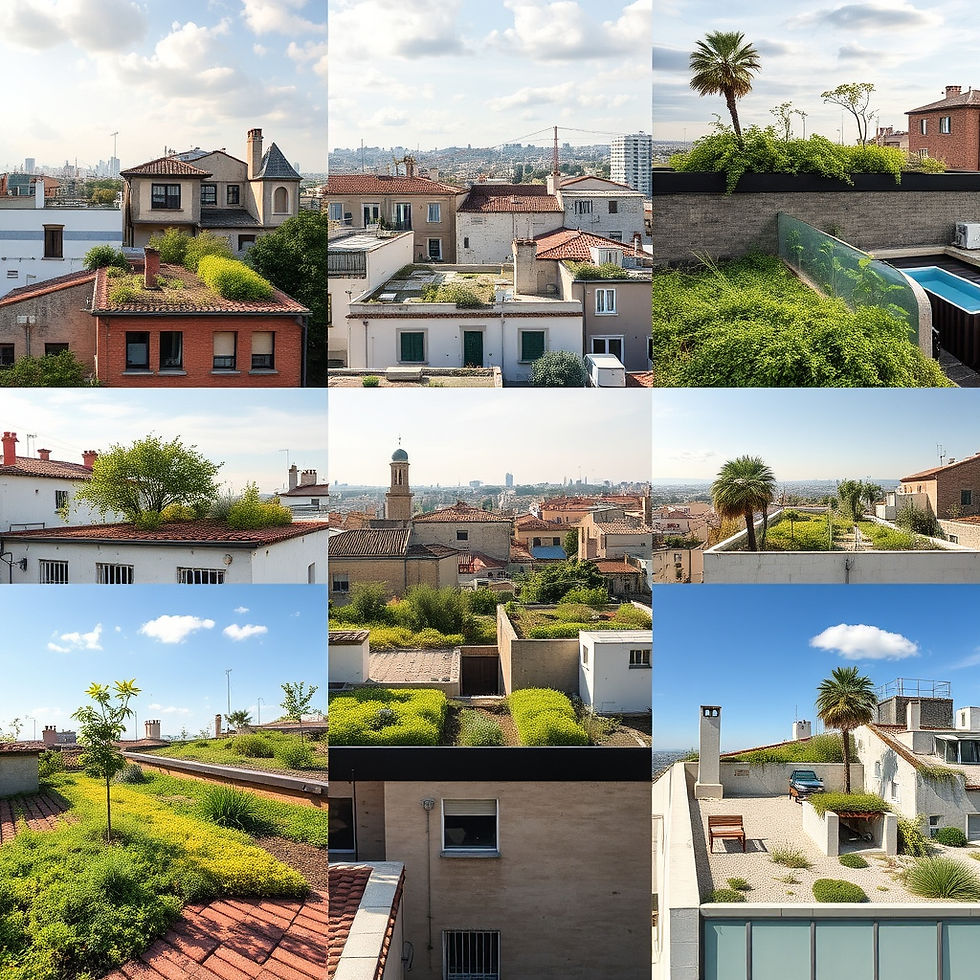
Rooftops often represent one of the most underutilised resources within our cities. Yet, when thoughtfully designed, they can become places that reconnect people with nature, strengthen biodiversity and even breathe new life into historic buildings. The newly published Italy Case Studies Factsheets, developed within the aRTes – Active RoofTops South Europe project, explore a collection of rooftop interventions that demonstrate how these overlooked spaces can contribute to urban regeneration while responding to today's environmental and social challenges.
The Italian examples reveal the versatility of rooftop design. Although each project was developed under different circumstances and for different users, they all share a common objective: transforming existing rooftops into spaces that create environmental, social and cultural value. From former industrial sites to corporate headquarters and residential developments, the publication illustrates how rooftops can become an essential component of sustainable urban transformation rather than simply an architectural afterthought.
One of the featured projects is OGR Torino, a former railway workshop that has been successfully converted into an internationally recognised cultural and innovation hub. As part of its regeneration, the rooftop was redesigned as an accessible green space, introducing vegetation, outdoor areas and multifunctional uses that complement the building's new identity. More than an architectural intervention, the project demonstrates how rooftop design can reinforce the wider regeneration of historic buildings while improving environmental quality and creating new opportunities for public use.
A different approach can be found at The Medelan in Milan, where rooftop spaces have been integrated into the redevelopment of a large mixed-use complex in the heart of the city. Here, landscaped terraces and green areas contribute to users' wellbeing while enhancing biodiversity and reducing the environmental footprint of the development. By combining contemporary architecture with nature-based solutions, the project illustrates how rooftops can improve both the ecological performance and the everyday experience of office, hospitality and commercial environments.
The publication also presents Open 336, another example from Milan where rooftop spaces have been designed to encourage interaction between people and nature within a modern workplace. Green terraces, accessible outdoor areas and carefully selected vegetation create an environment that supports employee wellbeing while contributing to climate adaptation and urban biodiversity. Rather than serving purely aesthetic purposes, the rooftop becomes an extension of the workplace itself, offering opportunities for relaxation, informal meetings and contact with nature throughout the working day.
Together, these case studies demonstrate that rooftop transformation can take many different forms depending on the surrounding urban context. Some projects prioritise heritage regeneration, while others focus on biodiversity, workplace wellbeing or environmental performance. Despite these differences, they all highlight the importance of considering rooftops as active urban spaces capable of generating long-term environmental, economic and social benefits.
The Italy Case Studies Factsheets offer valuable inspiration for architects, planners, municipalities, researchers and developers interested in making better use of existing rooftops. By bringing together successful examples from across Italy, the publication provides practical insights into how rooftop interventions can contribute to healthier, greener and more resilient cities.
Research Credits
The case study research was conducted by the Society & Urban Form (SURF) Lab, Department of Architecture, University of Cyprus.
Country research lead: Riccardo Urbano
Authors: Marina Pasia, Ilaria Geddes, Michalis Psaras, Larissa Ribeiro Cunha, Raquel Guerra Aragonés, Riccardo Urbano, Veronika Antoniou.


Comments