
aRTes Case Studies Series – Portugal
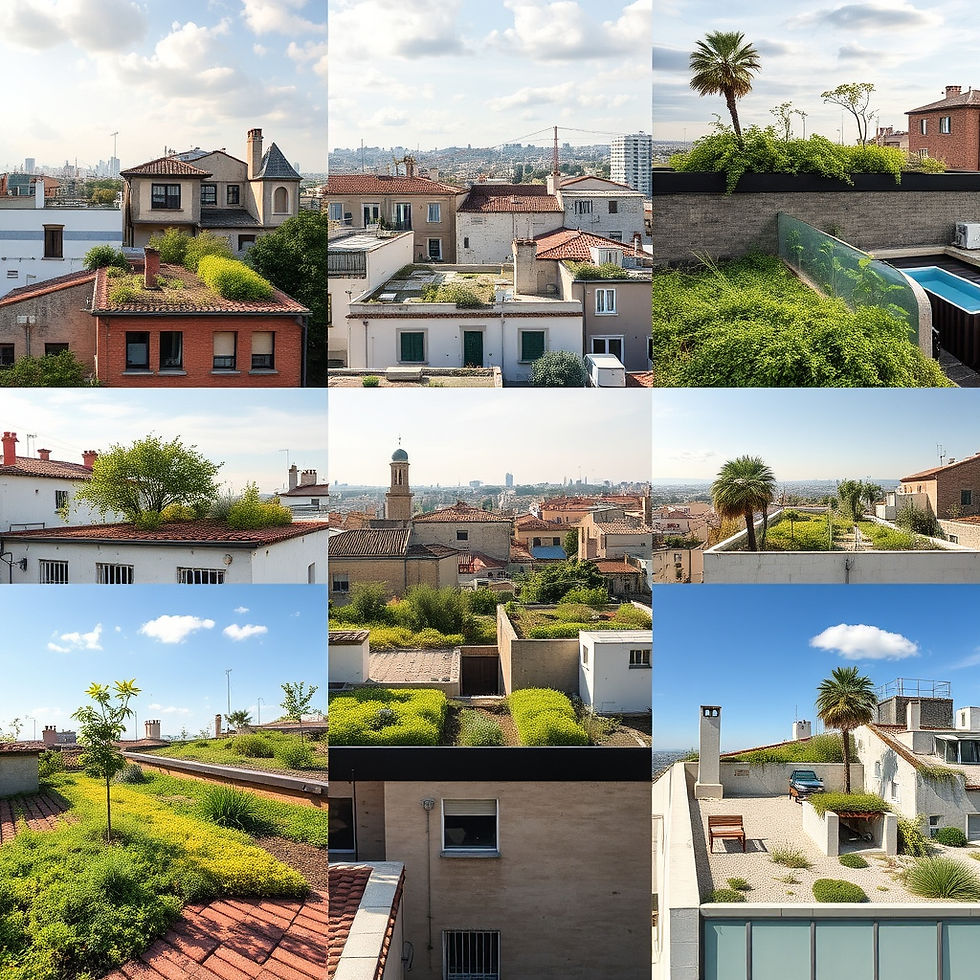
Across Portugal, rooftops are gradually becoming more than simply the uppermost layer of a building. They are evolving into spaces that encourage learning, strengthen biodiversity and demonstrate how cities can adapt to environmental challenges through innovative design. The newly released Portugal Case Studies Factsheets, developed within the Active RoofTops South Europe (aRTes) project, present a selection of projects that illustrate how rooftops can successfully combine environmental performance with education, research and everyday urban life.
Although each case study responds to a different urban context, they all share a common ambition: to rethink rooftops as active environments capable of delivering multiple benefits. Whether supporting scientific research, creating opportunities for public engagement or integrating renewable energy with green infrastructure, the featured projects demonstrate that rooftops can become valuable assets for both buildings and communities.
The publication begins with the Faculty of Engineering of the University of Porto, where an accessible rooftop has been transformed into a multifunctional green space supporting education, research and environmental awareness. More than simply introducing vegetation, the project creates a living laboratory where students and researchers can observe, monitor and better understand the environmental performance of green roof systems. At the same time, the rooftop contributes to improving thermal comfort, increasing biodiversity and reducing stormwater runoff, demonstrating how academic campuses can play an active role in promoting sustainable urban innovation.
Another featured example is the Department of Civil Engineering at the University of Aveiro, where rooftops have become an integral part of scientific research into nature-based solutions. Different green roof configurations are monitored under real climatic conditions, generating valuable data on water retention, plant performance and environmental behaviour. Rather than serving only as demonstration projects, these rooftops function as open-air research facilities, helping bridge the gap between academic knowledge and practical implementation while supporting future evidence-based design.
The publication also introduces the MAAT – Museum of Art, Architecture and Technology in Lisbon, where the rooftop is fully integrated into the architectural experience of the building. Instead of remaining inaccessible, it forms part of the visitor journey, inviting people to experience panoramic views over the River Tagus while engaging with a carefully designed public landscape. The project illustrates how rooftop design can successfully combine architecture, culture and public space, encouraging people to interact with the city from a completely different perspective while contributing to a more attractive and liveable urban environment.
What makes the Portuguese case studies particularly interesting is the diversity of their objectives. Some projects focus on advancing scientific knowledge, others prioritise public accessibility or environmental education, while all of them demonstrate that rooftops can perform far more functions than traditionally expected. Together, they highlight how research institutions, universities and cultural organisations can play a leading role in promoting innovative rooftop solutions that respond to climate change and support more resilient cities.
The Portugal Case Studies Factsheets offer practical inspiration for researchers, architects, planners, municipalities and building owners interested in integrating nature-based solutions into the built environment. By documenting real examples from across the country, the publication provides valuable insights into how rooftops can become spaces for experimentation, collaboration and sustainable urban transformation.
Research Credits
The case study research was conducted by the Society & Urban Form (SURF) Lab, Department of Architecture, University of Cyprus.
Country research lead: Larissa Ribeiro Cunha
Authors: Marina Pasia, Ilaria Geddes, Michalis Psaras, Larissa Ribeiro Cunha, Raquel Guerra Aragonés, Riccardo Urbano, Veronika Antoniou.


Comments