
aRTes Case Studies Series – Greece & Cyprus
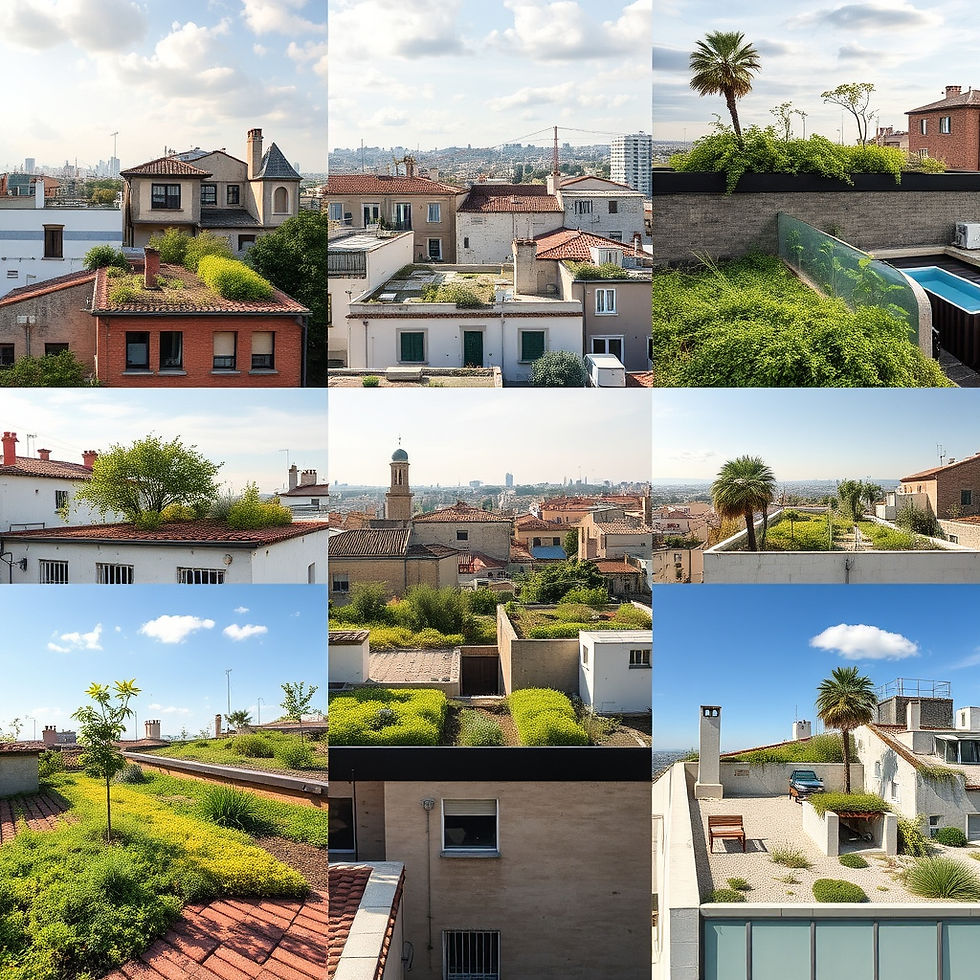
The Mediterranean region faces a unique combination of urban and environmental challenges. Rising temperatures, prolonged heatwaves, increasing energy demand and densely built neighbourhoods are placing growing pressure on cities to become more climate resilient. In this context, rooftops offer a significant yet often overlooked opportunity to improve the performance of existing buildings while creating healthier and more sustainable urban environments. The newly published Greece & Cyprus Case Studies Factsheets, developed within the Active RoofTops South Europe (aRTes) project, present a collection of inspiring projects that demonstrate how rooftop interventions can successfully respond to these challenges.
Rather than focusing on a single design solution, the publication brings together case studies that reflect the diversity of the Mediterranean built environment. From educational facilities and residential buildings to large-scale developments, the selected projects show how rooftops can improve environmental performance while remaining fully integrated into existing urban structures. Together, they highlight practical approaches that can be replicated in cities facing similar climatic conditions.
One of the featured examples is the American Academy in Nicosia, where an extensive green roof was introduced as part of a broader sustainability strategy for the school campus. Beyond improving the visual quality of the building, the intervention contributes to thermal insulation, stormwater management and biodiversity, while creating a healthier environment for students and staff. The project illustrates how educational buildings can play an important role in demonstrating the environmental benefits of nature-based solutions and raising awareness among younger generations.
The publication also presents the CYTA Headquarters in Nicosia, where rooftop greening has been combined with renewable energy technologies to enhance the environmental performance of one of Cyprus' largest office buildings. By integrating vegetation with photovoltaic systems, the project demonstrates how rooftops can simultaneously support energy production, reduce heat accumulation and improve building efficiency. It offers a practical example of how existing commercial buildings can contribute to national climate goals through carefully planned rooftop interventions.
Completing the publication is the Stavros Niarchos Foundation Cultural Center in Athens, a project internationally recognised for its sustainable architectural approach. Its expansive planted roof forms an integral part of the building's environmental design, improving thermal performance while blending the architecture into the surrounding landscape. At the same time, the rooftop creates an accessible public space that enhances the visitor experience and reinforces the connection between architecture, nature and the city. The project demonstrates how rooftop design can successfully combine environmental innovation with high-quality public space, becoming a defining feature of the overall architectural concept.
Although each case study addresses different building types and user needs, they all underline the same message: rooftops have the potential to become active contributors to climate adaptation rather than passive building elements. By improving energy efficiency, increasing biodiversity and introducing accessible green spaces into dense urban environments, these projects demonstrate how relatively small interventions can generate long-term environmental and social benefits.
The Greece & Cyprus Case Studies Factsheets provide valuable inspiration for architects, engineers, planners, municipalities and researchers working towards more resilient Mediterranean cities. Through real examples from Greece and Cyprus, the publication highlights practical solutions that can support the transition towards greener, more climate-responsive urban environments while making better use of one of our cities' most underutilised resources.
Research Credits
The case study research was conducted by the Society & Urban Form (SURF) Lab, Department of Architecture, University of Cyprus.
Country research lead: Michalis Psaras
Authors: Marina Pasia, Ilaria Geddes, Michalis Psaras, Larissa Ribeiro Cunha, Raquel Guerra Aragonés, Riccardo Urbano, Veronika Antoniou.


Comments