
Co-Creation in Urban Design: Why Communities Matter?

Urban design has long moved beyond top-down planning. Modern cities increasingly recognise that the people who live, work, and interact in urban spaces must have an active role in shaping them. Co-creation, as the collaborative design of spaces with communities and stakeholders, is essential for developing solutions that are inclusive, effective, and meaningful.
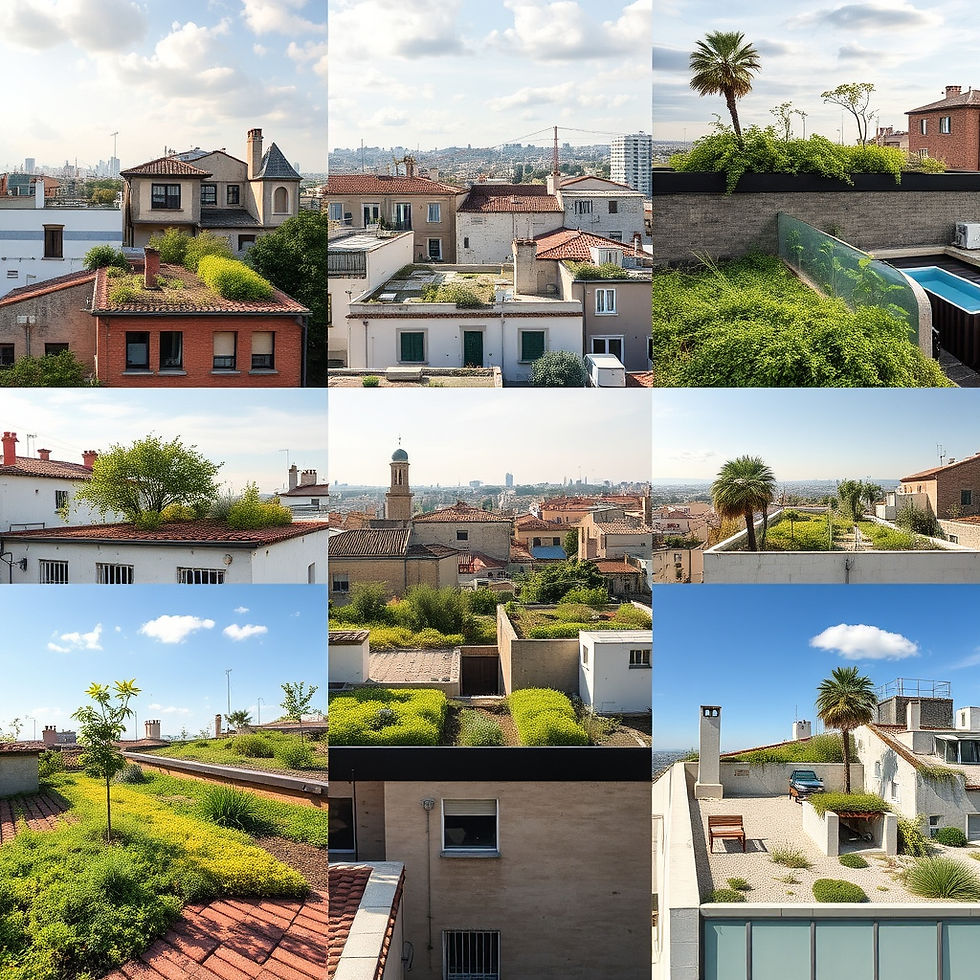
In the aRTes project, co-creation is a foundational element of the methodology. Each pilot city is engaging local stakeholders—residents, building users, municipalities, experts, and community groups—to ensure that rooftop transformations respond to real needs and local aspirations. This approach not only leads to better design outcomes but also strengthens community ownership and long-term sustainability.
Through workshops, participatory mapping exercises, interviews, and on-site discussions, the project gathers knowledge and insights directly from the people who will ultimately use or benefit from the rooftop interventions. These contributions shape decisions about design priorities, accessibility, social functions, environmental features, and cultural identity.
Co-creation also plays a key role in fostering trust, transparency, and collaboration between partners and local communities. By involving citizens early and throughout the design and implementation process, aRTes ensures that the resulting rooftop spaces are not only technically sound but also socially meaningful and widely accepted.
As the pilots advance, co-creation activities will intensify, guiding the development of rooftop solutions that reflect local values and contribute to more inclusive, human-centered urban environments. Through this participatory approach, aRTes is demonstrating that the future of sustainable urban design lies not only in innovative technologies, but in the collective imagination and engagement of the communities themselves.


Comments